Getting your concrete ready for winter (and which ice melt to skip)
The first hard freeze usually rolls through Colorado Springs sometime in October. From then until spring, your driveway gets frozen, thawed, salted, plowed and shoveled more times than you can count. An afternoon of work now saves you from flaking, crumbling concrete come April.
Seal it while it's still warm enough
If your driveway, walk or patio hasn't been sealed in the last two or three years, fall is the time. A good penetrating sealer keeps water and de-icing chemicals from soaking into the surface, and that's what causes most of the flaking (contractors call it scaling) you see on older driveways around town.
The catch is temperature. Most sealers want it to be at least 50 degrees while they go on and for a day or so after, and they need a dry surface. In the Springs that usually means a sunny afternoon in early or mid-October. Once nights are staying in the 20s, it's probably time to wait until spring.
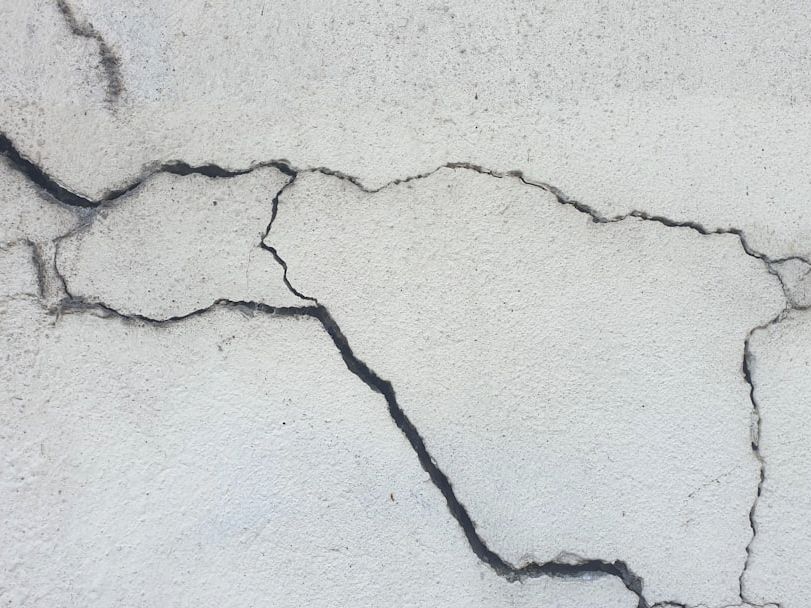
Fill the cracks before water finds them
Water that gets into a crack freezes, expands, and pushes the crack a little wider. Do that dozens of times over a winter and a hairline crack turns into something you can fit a finger in.
Clean the crack out (a wire brush and a shop vac work fine), then fill it with a flexible polyurethane or self-leveling crack sealant from the hardware store. Skip mortar or patching cement for ordinary cracks. It's rigid, the slab still moves, and it'll pop right back out.
Check where the water goes
Walk around after the next rain or snowmelt. If a downspout dumps onto your driveway or walkway, add an extension so the water goes into the yard instead. If melting snow pools against the garage or along the edge of a slab, that spot will ice over every night and take a beating all winter.
It's also worth not piling shoveled snow right along the edge of the driveway, where it melts across the concrete every sunny afternoon and refreezes every night.
Be picky about ice melt
This is the big one. Some ice melts are genuinely hard on concrete:
- Anything with ammonium nitrate or ammonium sulfate. These attack concrete chemically. Read the label.
- Rock salt (sodium chloride) on newer concrete. It's cheap and it works, but on concrete less than a year or two old it's a fast track to a flaking surface.
Calcium magnesium acetate (CMA) is the gentlest option, though it costs more. Calcium chloride works at colder temperatures than rock salt, but use it sparingly. Honestly, the best thing for your concrete is to shovel early, before the snow gets packed down, and throw sand down for traction. Sand doesn't melt anything, so it doesn't add another freeze-thaw cycle.
Also worth knowing: the liquid de-icer sprayed on Front Range roads (mostly magnesium chloride) rides home on your tires and drips onto your driveway all winter. On a warm day, hosing off the area where you park helps.
Go easy with the shovel
Use a plastic shovel, or one with a plastic edge, on stamped or sealed concrete. Metal ice choppers and the edge of a steel shovel chip the surface and the corners of the control joints. If you pay someone to plow, ask them to raise the blade a touch.
What to look for in the spring
Once the snow's gone, take a walk around. Flaking or pitting on the surface, cracks that have gotten noticeably wider, or a slab that's lifted or dropped compared to the one next to it are all worth having someone look at before next winter makes them worse.
Not sure whether it's a quick fix or a replacement? Text a photo to (719) 402-0690 and we'll give you an honest take.